
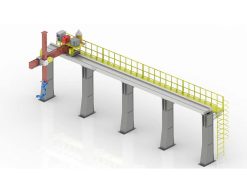
 Robot Linear track
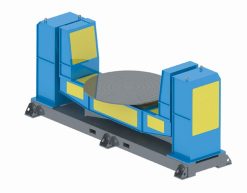 Robot welding Positioner
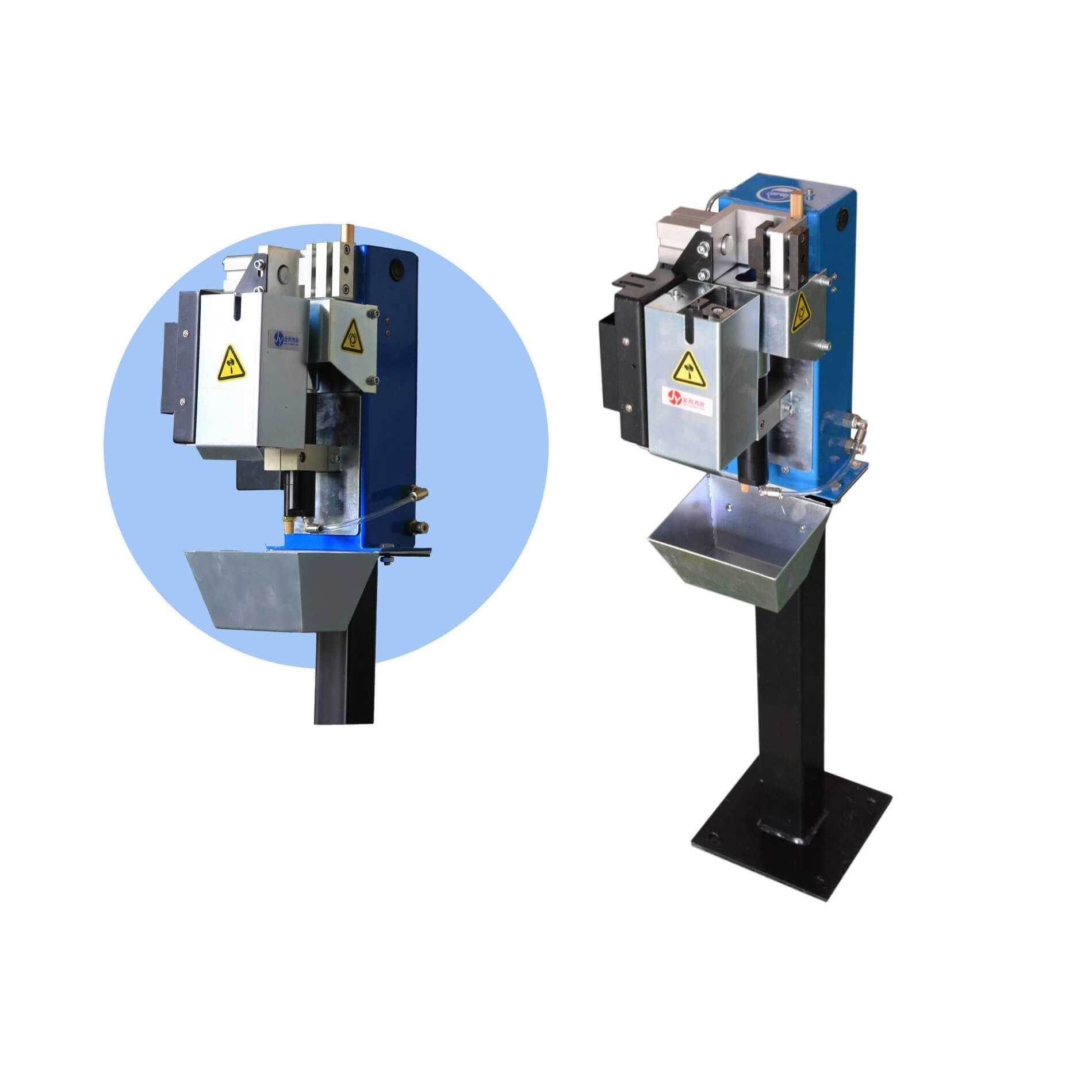 Robot Torch cleaning station
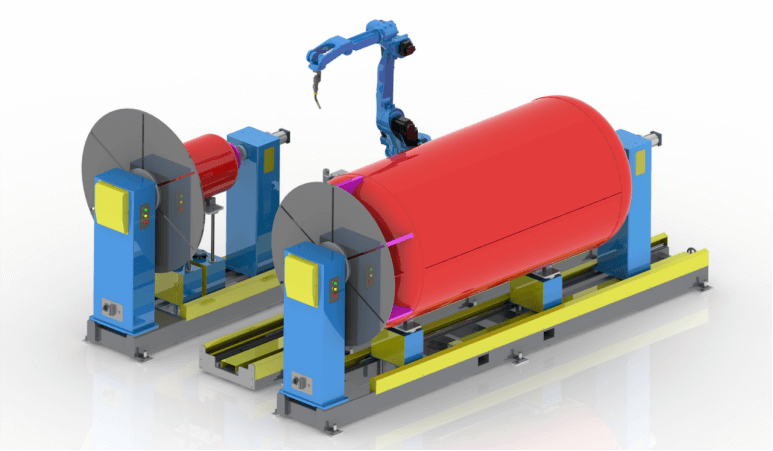 Welding Robot Workstations & Automation Solutions
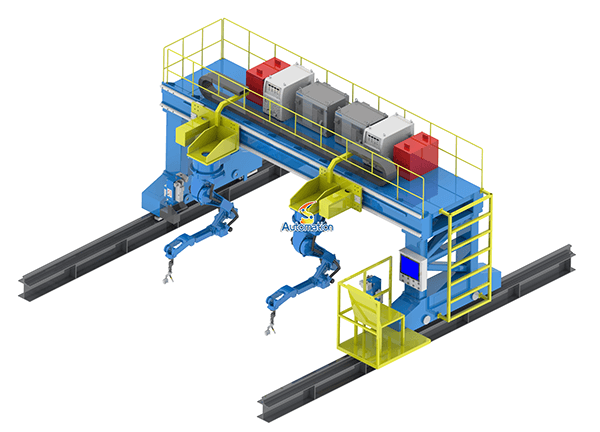 Robot Gantry System
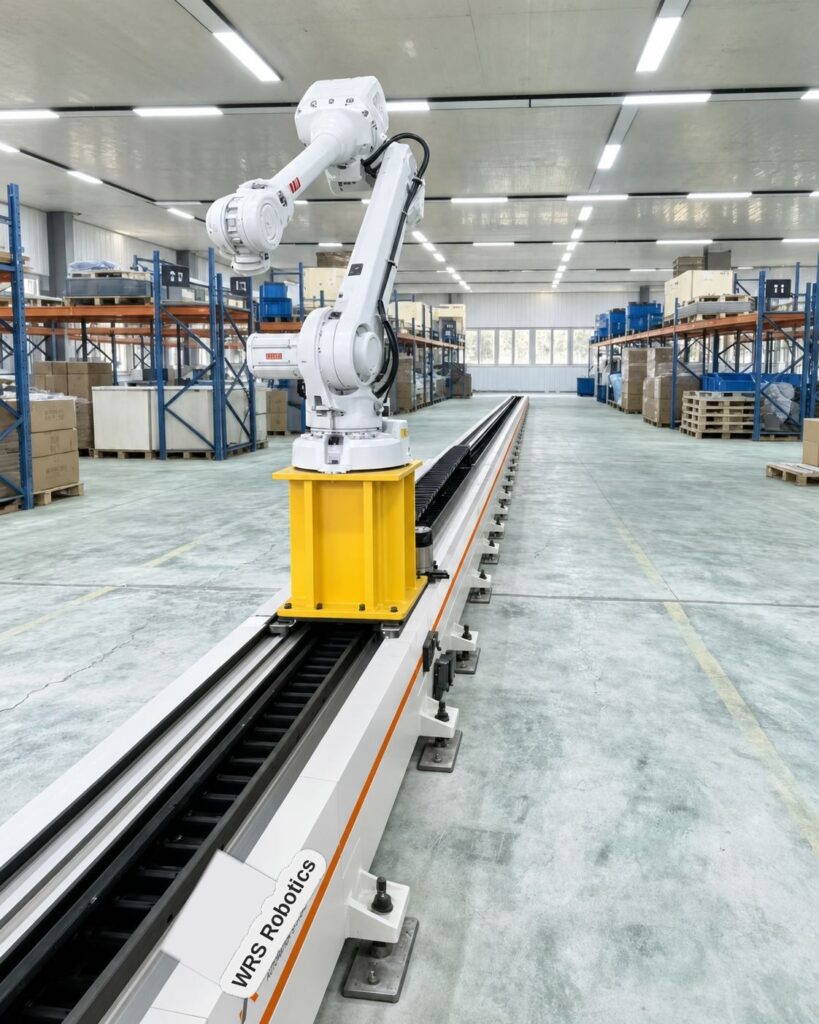
A robot linear track is one of the few things in a welding cell that is genuinely hard to fix after it arrives. A positioner can be re-levelled. A robot program can be edited. A track that is out of straight, or whose rack joints were never checked under load, is a steel structure bolted to your floor — and if it was shipped from another continent, sending it back is not a realistic option.
That is why the factory acceptance test matters more for a track than for almost any other piece of cell equipment. The FAT is the last moment when a problem is still the manufacturer’s problem, and still cheap to fix. Once the track is crated, the same problem becomes your problem, on your floor, on your schedule, at your expense.
Yet in our experience, many integrators either skip the FAT entirely or treat it as a formality — a short video call, a few photos, a signature. Then the track arrives, the robot does not repeat where it should, and the argument starts about whether the problem is the track, the foundation, or the installation. A proper FAT does not prevent every problem. But it answers the most important question before the crate leaves the factory: does this track do what the order said it would do?
This article explains what a factory acceptance test for a robot track should cover: the specification it is tested against, the mechanical and motion checks that matter, the control and safety checks, the documents to collect before you sign, and the red flags that should stop a shipment.
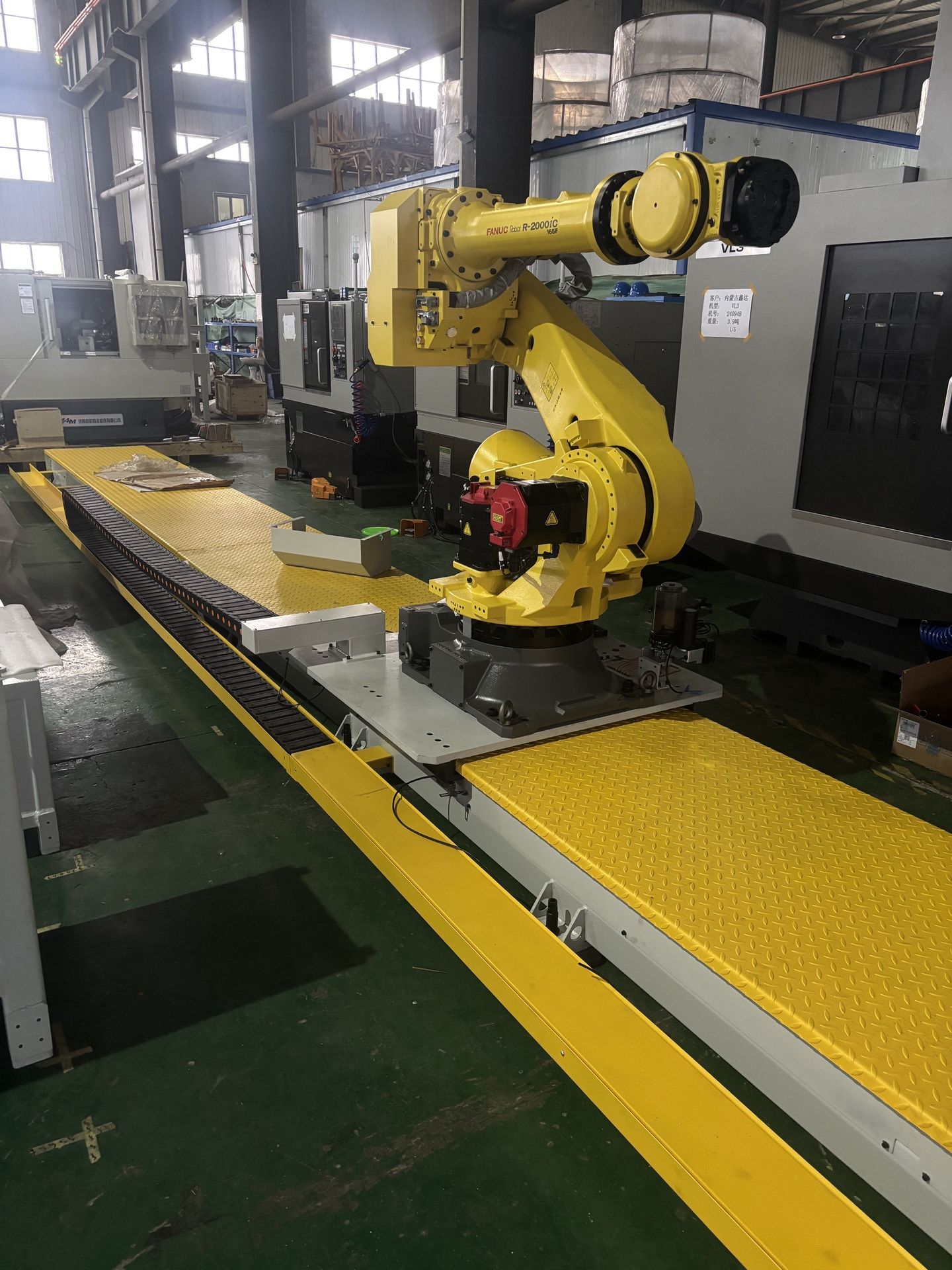
What a FAT is — and what it is not
A factory acceptance test is a structured test of the finished equipment, carried out at the manufacturer’s factory, against the specification agreed in the order. It is not a product demonstration. A demonstration shows the equipment working under the conditions the manufacturer chose. A FAT tests the equipment against the conditions you chose — your travel, your payload, your accuracy requirement.
It is also not the same as a site acceptance test. The SAT happens after installation, on your floor, and it answers a different question: does the track perform correctly in its real environment, on its real foundation, with its real robot mounted? The FAT answers the earlier question: was the track built correctly in the first place? If a track fails its FAT, the fix happens in the factory, where the tooling, the spares and the people who built it are all in the same building. If the same fault is found at SAT, the fix happens on your site, with your production waiting.
For an overseas buyer, the FAT carries extra weight, because the buyer often cannot be there in person. That does not make the FAT optional. It makes the documentation more important: measured values, not opinions; photographs of the measuring setup, not only of the finished track; a written report with numbers, not a verbal “it passed”.
1. Start with the agreed specification, not the brochure
Every FAT check needs a reference value, and the only reference that counts is the specification agreed when the track was ordered. A brochure figure is not a test criterion. The order specification is.
Before any testing starts, both sides should be looking at the same document, and it should list the parameters that actually decide whether the track works in your cell. The sizing information a manufacturer asks for when quoting a track is a good checklist for what that specification should contain: travel stroke and total track length, slider payload, robot model, what else rides on the slider (control cabinet, welding machine, torch cleaning station, wire feeder), operating environment, rail width including the drag chain and ground plate, the distance from the robot mounting surface to the floor, travelling speed, repeat positioning accuracy, the installation country, guide rail brand, drag chain position, lubrication pump power supply, servo motor and cable details, and the paint colour.
Two of those values deserve attention because they are the ones most often left vague. The first is repeat positioning accuracy — our standard is ±0.1 mm, but the number that matters is the one written in your order, measured the way your order says it will be measured. The second is travelling speed — our standard is 1 m/s, but again, the order value governs. If the order says “high accuracy” without a number, the FAT has nothing to test against, and that is a problem to fix before testing, not during it.
Ask for the FAT plan in writing before the test date. It should list every test, the equipment used to measure it, the acceptance value for each test, and who signs the report. If the manufacturer cannot produce a FAT plan, that tells you something about how the test will go — and it is better to learn it a week before shipment than on the day the truck arrives.
2. The mechanical checks: straightness, alignment and backlash
Most track problems that show up months after installation were present on the day the track left the factory. They were just never measured. The mechanical section of the FAT is where those problems are cheapest to find.
Straightness and level. The guide rails must be straight and level along the full travel, not just at the ends. The usual method is a precision level or a laser measuring system, with readings taken at regular intervals along the whole length — not three points, but a full profile. Ask to see the readings, not just a pass mark. A track that is straight to within tolerance at the ends and out in the middle will still cause the robot to weld inconsistently across the cell.
Rail parallelism. On a twin-rail track, the two rails must be parallel to each other within tolerance over the full length. If they are not, the slider binds at some positions and runs free at others, and the servo has to fight a varying load. That shows up later as uneven wear, vibration, or a position error that appears only in one part of the travel — the kind of fault that is very hard to diagnose on site and very easy to measure in the factory.
Rack joints and backlash. On a rack-and-pinion track, the rack is made in sections, and the joints between sections are where accuracy is usually lost. Each joint should be checked for a step or a gap, and the pinion mesh should be checked along the full travel. Backlash — the small free movement when the drive reverses direction — should be measured and recorded at several positions, not just one. Our article on rack and pinion vs ball screw robot tracks explains why the drive system changes what to look for here: on a rack-and-pinion drive, joint alignment is the critical check; on a ball-screw drive, it is the screw support and the end bearings. If you are not sure which drive system your track uses, that is worth confirming before the FAT, because the test list is different.
Bolts, covers and cable chain. Less glamorous, but worth checking while the track is still in the factory: all structural bolts torqued and marked, anchor bolt positions matching the foundation drawing, protective covers fitted and moving freely, and the drag chain running smoothly through the full travel without catching, twisting or pulling cables. A drag chain that binds at full extension is a failure waiting for the first long weld program. It is also the kind of thing nobody checks until the robot stops mid-weld with a cable fault.
Repeat positioning accuracy — measured properly. This is the test buyers ask about most, and the one most often measured in a way that proves nothing. A meaningful repeatability test runs the slider to the same target position from the same direction, several times, at several points along the travel — and separately from the opposite direction, because backlash only shows up when direction changes. It should be done with the slider loaded to something close to the real working payload, not empty. An unloaded track repeating to ±0.05 mm tells you nothing about the same track carrying a robot, a cabinet and a welding package. If the FAT report shows an accuracy figure without saying whether the slider was loaded, ask. Our article on how to calculate the correct payload for a robot linear track explains why the moving mass matters so much — and the FAT is where that calculation gets proven or disproven.
3. The motion and load test: run it like it will work
A track that passes a slow, unloaded jog test can still fail in production. The motion test should resemble real work: the rated speed, the rated payload, and enough continuous running to show up problems that only appear when things get warm.
Full travel, both directions, at rated speed. Run the slider through its complete travel — not just the middle metre — in both directions, at the speed in the order. Listen and watch. A good track runs smoothly along the whole length. Grinding, clicking, vibration or a change in sound at one position usually means a rail joint, a rack joint or a damaged roller, and it is far easier to fix in the factory than after the track is grouted to your floor. This is also the test that catches the difference between travel and effective travel: if the slider cannot actually reach the positions your cell needs, the FAT is the moment to find out, not the first day of production. Our article on robot track travel vs effective travel explains that distinction in detail.
Loaded run. If the track was ordered for a specific robot and payload, the FAT should run with an equivalent test mass on the slider. It does not have to be the robot itself — a steel test mass of the same weight, mounted at the same height, is standard practice and perfectly adequate. What matters is that the servo, the drive and the structure are tested under the load they will actually carry. A track that accelerates smoothly empty and stalls or overshoots under load has a sizing or tuning problem, and both are fixable before shipment.
Acceleration, deceleration and stopping. The slider should accelerate and stop smoothly at the programmed rates, without overshoot or oscillation at the target position. Test the emergency stop as well: from full speed, hit the e-stop and measure the stopping distance. That distance is part of your cell’s safety calculation, so it should be a recorded number, not a guess.
Continuous run and temperature. Run the track continuously for a sensible period — at least long enough for the servo motor, the drive and the gearbox to reach working temperature. Then check the temperature and listen again. A servo that runs hot or a gearbox that gets noisy after thirty minutes is telling you something that a five-minute test never will. In a real welding cell the track may run for hours; the FAT should at least prove it can run for one.
4. The control and safety checks: it has to talk to the robot
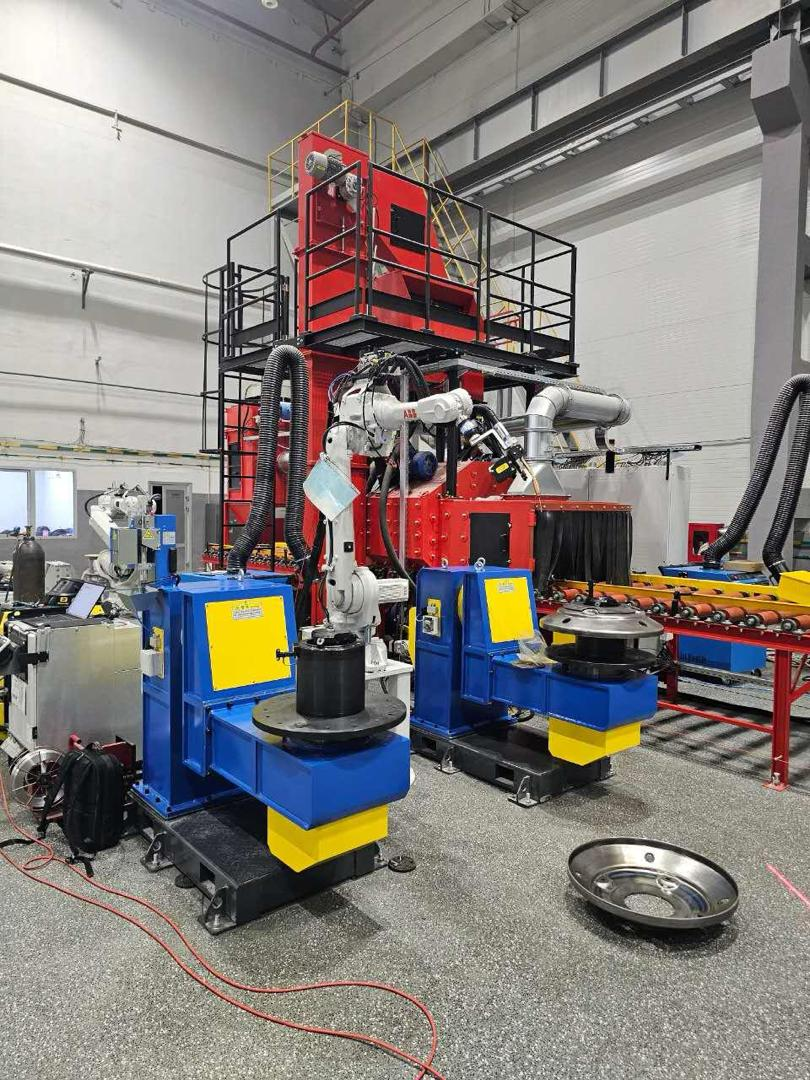
A track is not a standalone machine. In a welding cell it is an external axis of the robot, and the FAT should prove that the integration works — not just that the track moves when the manufacturer’s own test panel tells it to.
Servo tuning and home position. The servo should be tuned for the actual load, not for an empty slider. Check that the home position is repeatable after a power cycle and after an e-stop: drive the slider home, power off, power on, home again, and confirm it returns to the same position. A home position that drifts between restarts will cost you a re-mastering job on site, and it is a fault that is much easier to diagnose while the manufacturer’s controls engineer is standing next to the machine. Our article on why external axis calibration fails covers the mastering and calibration mistakes that cause most of these problems.
Limit switches and safety interlocks. Test every limit switch by driving into it at low speed, and confirm the track stops where it should. Test the e-stop circuit, the safety gate interlock if one is fitted, and the over-travel protection. These are the checks nobody wants to need and everybody regrets skipping. They take minutes at FAT and can take days to retrofit on site.
Communication with the robot controller. If the track will be synchronised with the robot — and in a welding cell it almost always will be — the FAT should include a communication check with the actual robot controller brand specified in the order, whether that is ABB, FANUC, KUKA or Yaskawa. At minimum, confirm the interface signals, the external-axis configuration and the handshake the cell will use. If the robot itself is not at the factory, the manufacturer should still be able to demonstrate the interface with a test controller or a simulator, and the wiring and signal list should be documented. Our article on synchronising a welding positioner with ABB, FANUC, KUKA and Yaskawa robots explains why this configuration is the part of the integration most often left until too late, and our article on PLC communication problems between robot and external axis covers the signal and handshake faults that show up when it is.
Lubrication and maintenance access. Confirm the lubrication system works — pump, lines, and the power supply it was ordered with — and that every grease point, inspection cover and service point can actually be reached once the track is installed. A lubrication point buried under a cover that cannot be removed without dismantling the slider is a design fault, and the FAT is the time to find it. Ask for the maintenance schedule in writing: what to lubricate, how often, and with what.
5. Documents to collect before you sign anything
The FAT report is the most valuable document in the whole purchase, because it is the only record of what the track actually did before it left the factory. Collect it before the track is crated, not after. Once the crate is sealed, corrections to the report are just paperwork.
Ask for: the FAT report itself, with a measured value for every test and the acceptance value it was judged against, signed by both sides; the straightness and level readings along the full travel; the repeatability measurements, including the load condition and the direction of approach; the servo and motor data sheets and the drive configuration backup; the electrical drawings and the wiring diagram; the foundation and anchor bolt drawing, so the site team can prepare the floor — our foundation design guidelines explain what that preparation involves; the lubrication and maintenance schedule; the spare parts list with part numbers; the packing list; and photographs and video of the key tests, with the measuring equipment visible in the frame.
If you cannot attend the FAT in person, ask for the tests to be recorded on live video rather than as edited clips, and ask for the measurement readings to be shown on camera as they are taken. A pre-recorded video proves the track moved once. A live test with the readings visible proves it measured what the report says it measured. If the numbers in the report and the numbers on the video do not match, that is a conversation to have before shipment, not after delivery.
Keep the FAT report with the order documents. If a problem appears six months later — and our article on why a robot track loses accuracy after six months explains how often that happens — the FAT report is what tells you whether the track changed after delivery or was never right in the first place. Without it, that argument has no evidence on either side.
6. Red flags that should stop a shipment
Most FATs go well. But a few signs should make any buyer pause, and they are all worth treating seriously, because they are much cheaper to act on before shipment than after.
The first is a refusal to test under load. If the manufacturer will only run the track empty, you have no evidence it performs under the conditions you bought it for. The second is an accuracy figure measured at a single point, in one direction, unloaded — that is a number chosen to look good, not a test. The third is no written report, or a report with pass marks and no measured values. A report without numbers is an opinion, not a test record.
Others: serial numbers on the FAT report that do not match the nameplates on the equipment; a track that is already crated before the FAT is finished; pressure to sign quickly because the shipping date is fixed; fresh paint over welds or repairs that were not in the inspection notes; and a FAT that is rushed through in under an hour for a track that will run for years. None of these proves the equipment is bad. All of them mean the evidence is not good enough to ship on — and the correct response is to delay the shipment until the evidence exists, not to accept the risk and hope the installation goes well.
Delaying a shipment by a week costs a week. Accepting a faulty track costs the installation time, the rework, the production you lose while it is fixed, and the argument about whose fault it is. That is the real calculation behind the FAT, and it is the same logic as our article on the hidden costs of inadequate positioning equipment: the cheap decision is usually the one made before the problem arrives.
FAT checklist: what to check before the track ships
Use this list when you agree the FAT plan with the manufacturer. Every item should have a measured value or a yes/no recorded in the report — not a tick without evidence.
- Specification confirmed: travel, total length, payload, robot model, speed, repeat accuracy and environment all match the order.
- FAT plan received in writing before the test date, with a test list, measuring equipment and acceptance value for each test.
- Straightness and level measured along the full travel, with the readings recorded — not just a pass mark.
- Rail parallelism checked over the full length on twin-rail tracks.
- Rack joints, pinion mesh and backlash measured at several positions along the travel.
- Repeat positioning accuracy tested at several points, from both directions, with the slider loaded to working payload.
- Full travel run in both directions at rated speed, with no abnormal noise, vibration or binding.
- Loaded run with an equivalent test mass; smooth acceleration, deceleration and stopping, with no overshoot.
- Emergency stop tested from full speed, with the stopping distance recorded.
- Continuous run long enough for the servo and drive to reach working temperature, then re-checked.
- Home position repeatability confirmed after a power cycle and after an e-stop.
- Limit switches, e-stop circuit and safety interlocks tested, not just inspected.
- Communication interface with the robot controller confirmed, with the signal list documented.
- Lubrication system tested and maintenance schedule provided in writing.
- Documents collected: FAT report with measured values, straightness and repeatability readings, electrical drawings, foundation drawing, spare parts list, packing list, and photos/video of the key tests.
- Serial numbers on the report match the nameplates on the equipment, and nothing is crated before the FAT is signed off.
FAQ
What is a factory acceptance test for a robot track?
A factory acceptance test is a structured test of the finished track, carried out at the manufacturer’s factory before shipment, against the specification agreed in the order. It covers mechanical accuracy, motion under load, control and safety functions, and the documentation pack. It is the buyer’s last chance to verify the equipment before it is crated.
How long should a robot track FAT take?
For a standard track, plan on half a day to a full day, depending on the travel length and the number of tests. A FAT rushed through in under an hour is not a FAT — it is a demonstration. The mechanical measurements alone, taken properly along the full travel, take real time. If the shipping schedule does not allow a full day for testing, the schedule is the problem, not the test.
Can I do a FAT remotely if I cannot travel to the factory?
Yes, and most overseas buyers do. Ask for a live video call rather than pre-recorded clips, and ask for the measurement readings to be shown on camera as they are taken. Request the written report with measured values before the track is crated. A remote FAT with good documentation is far better than no FAT at all — but it depends on the manufacturer being willing to show the measurements, not just the machine moving.
What is the difference between a FAT and a site acceptance test?
The FAT tests whether the track was built correctly, at the factory, before shipment. The SAT tests whether the track performs correctly after installation, on your floor, on your foundation, with your robot mounted. Both matter, and one does not replace the other: a track can pass its FAT and still fail its SAT if the foundation or the installation is wrong, and a track that fails its FAT should never reach the SAT stage.
What accuracy should I expect from a robot track FAT?
That depends on what your order specifies. Our standard repeat positioning accuracy is ±0.1 mm, but the acceptance value is whatever is written in your order, measured the way your order says it will be measured. What matters is that the FAT report records the measured value, the load condition and the direction of approach — an accuracy figure without those details proves very little.
What should I do if the track fails its FAT?
Do not authorise shipment. Record the failed test, the measured value and the acceptance value in the report, agree the corrective action and the re-test with the manufacturer, and re-test after the fix. A failed test at FAT is a normal part of buying industrial equipment — it is the system working. A failed test that is shipped anyway is a problem you have chosen to inherit.
Ask for the FAT plan before you order, not before shipment
The best time to agree a factory acceptance test is when the track is ordered, not when it is ready to ship. If the FAT scope, the acceptance values and the documentation are written into the order, there is nothing to argue about on test day — both sides already agreed what “pass” means.
When you send an inquiry for a robot track, include the information the manufacturer needs to size it and to test it: travel stroke and total length, slider payload, robot model, what else rides on the slider, operating environment, rail width limits, mounting height, travelling speed, repeat positioning accuracy, installation country, and any requirements for guide rail brand, drag chain position or lubrication power. The more specific the inquiry, the more specific the quotation — and the more meaningful the FAT that follows it.
If you are planning a track for a welding cell and want to agree the FAT scope before ordering, contact us with your workpiece, robot model and travel requirements. We will work through the specification and the acceptance tests with you before anyone talks about shipment — because the cheapest time to find a problem is in the factory, not on your floor.
By WRS Robotics Engineering Team
Related reading: Robot Linear Track · Welding Positioner · Gantry System
{
“@context”: “https://schema.org”,
“@type”: “FAQPage”,
“mainEntity”: [
{“@type”: “Question”, “name”: “What is a factory acceptance test for a robot track?”, “acceptedAnswer”: {“@type”: “Answer”, “text”: “A factory acceptance test is a structured test of the finished track, carried out at the manufacturer’s factory before shipment, against the specification agreed in the order. It covers mechanical accuracy, motion under load, control and safety functions, and the documentation pack. It is the buyer’s last chance to verify the equipment before it is crated.”}},
{“@type”: “Question”, “name”: “How long should a robot track FAT take?”, “acceptedAnswer”: {“@type”: “Answer”, “text”: “For a standard track, plan on half a day to a full day, depending on the travel length and the number of tests. A FAT rushed through in under an hour is not a FAT — it is a demonstration. The mechanical measurements alone, taken properly along the full travel, take real time. If the shipping schedule does not allow a full day for testing, the schedule is the problem, not the test.”}},
{“@type”: “Question”, “name”: “Can I do a FAT remotely if I cannot travel to the factory?”, “acceptedAnswer”: {“@type”: “Answer”, “text”: “Yes, and most overseas buyers do. Ask for a live video call rather than pre-recorded clips, and ask for the measurement readings to be shown on camera as they are taken. Request the written report with measured values before the track is crated. A remote FAT with good documentation is far better than no FAT at all — but it depends on the manufacturer being willing to show the measurements, not just the machine moving.”}},
{“@type”: “Question”, “name”: “What is the difference between a FAT and a site acceptance test?”, “acceptedAnswer”: {“@type”: “Answer”, “text”: “The FAT tests whether the track was built correctly, at the factory, before shipment. The SAT tests whether the track performs correctly after installation, on your floor, on your foundation, with your robot mounted. Both matter, and one does not replace the other: a track can pass its FAT and still fail its SAT if the foundation or the installation is wrong, and a track that fails its FAT should never reach the SAT stage.”}},
{“@type”: “Question”, “name”: “What accuracy should I expect from a robot track FAT?”, “acceptedAnswer”: {“@type”: “Answer”, “text”: “That depends on what your order specifies. Our standard repeat positioning accuracy is ±0.1 mm, but the acceptance value is whatever is written in your order, measured the way your order says it will be measured. What matters is that the FAT report records the measured value, the load condition and the direction of approach — an accuracy figure without those details proves very little.”}},
{“@type”: “Question”, “name”: “What should I do if the track fails its FAT?”, “acceptedAnswer”: {“@type”: “Answer”, “text”: “Do not authorise shipment. Record the failed test, the measured value and the acceptance value in the report, agree the corrective action and the re-test with the manufacturer, and re-test after the fix. A failed test at FAT is a normal part of buying industrial equipment — it is the system working. A failed test that is shipped anyway is a problem you have chosen to inherit.”}}
]
}