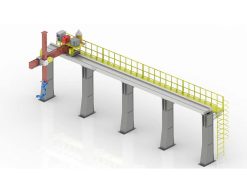
 Robot Linear track
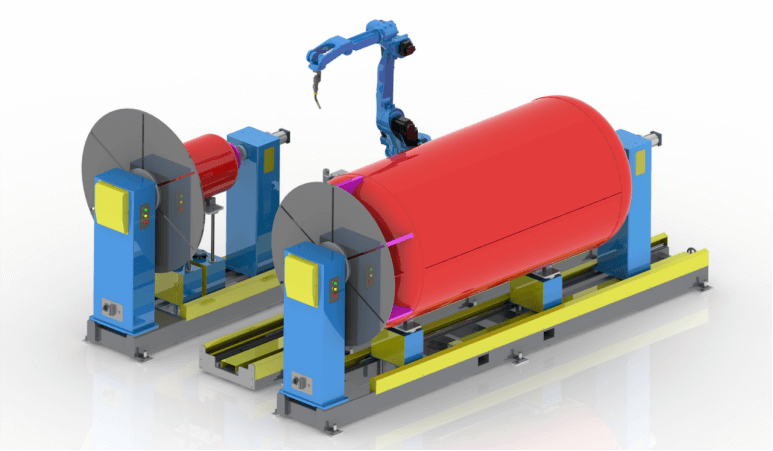
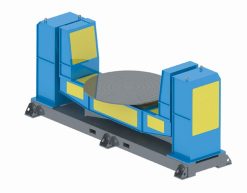 Robot welding Positioner
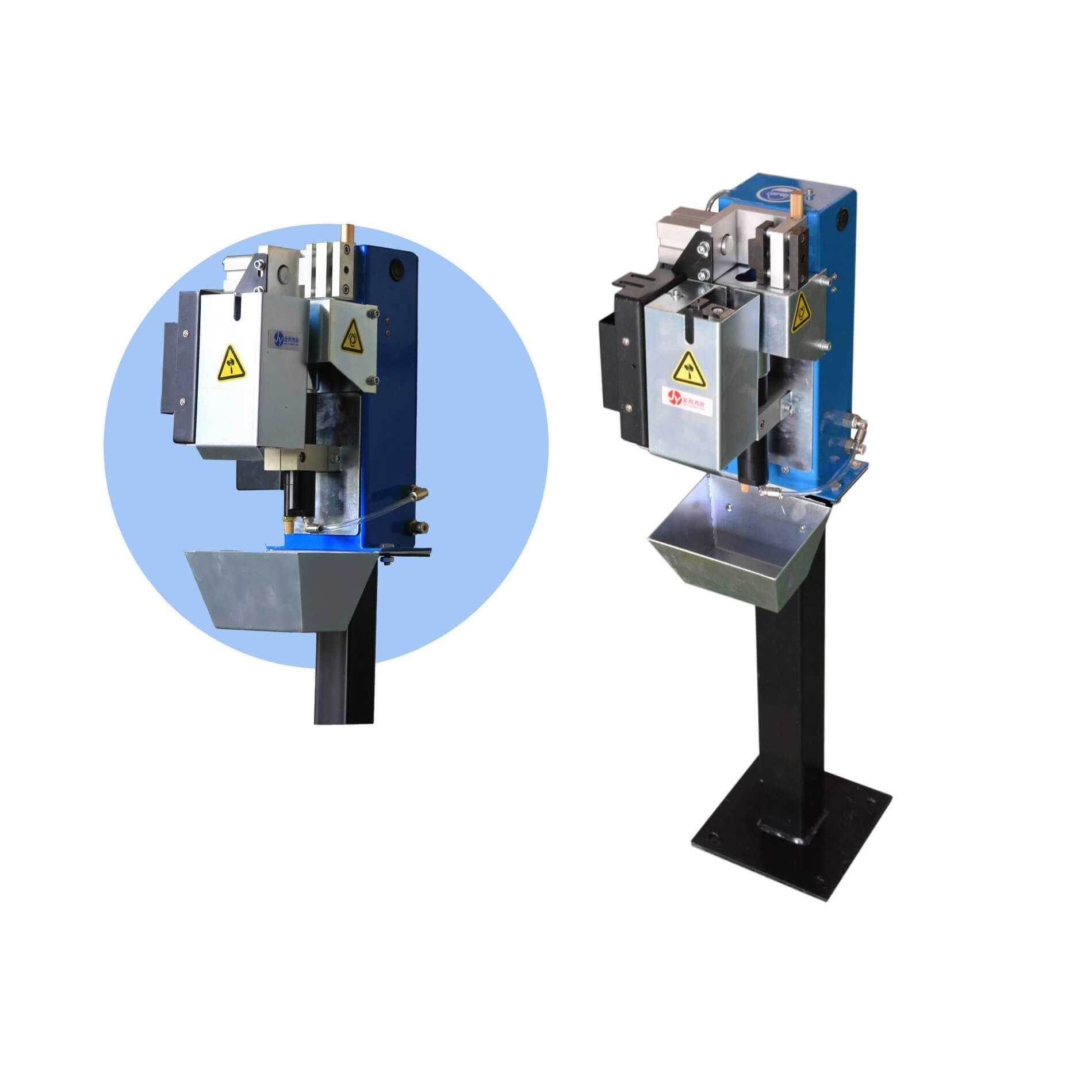 Robot Torch cleaning station
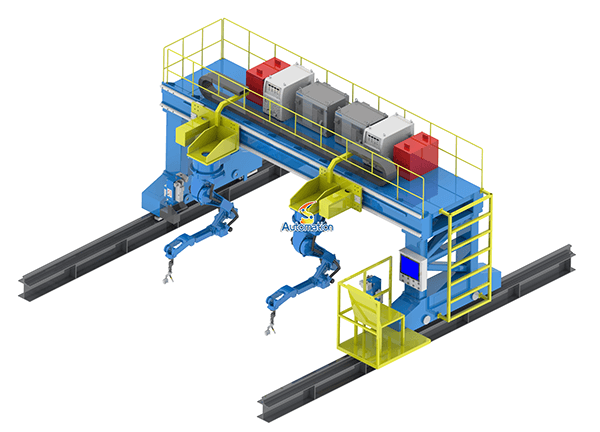 Robot Gantry System
When choosing a robot positioner, many buyers start by comparing models in a product catalog. In reality, it is the workpiece — not the model — that determines the right positioner. This guide explains how size, load capacity, and axis configuration drive the selection, and lists the dimensions you should provide when requesting a recommendation.
1. Start with the Workpiece, Not the Model
The basic positioner specifications are determined by the workpiece’s size, weight, and center of gravity. Understanding the part’s envelope, maximum swing diameter, total weight, and the position of the center of gravity relative to the mounting face is the first step:
- Workpiece size determines the table size and the swing radius required for rotation;
- Workpiece weight determines the rated load capacity needed;
- Center of gravity affects the actual overturning moment — weight alone is not enough.
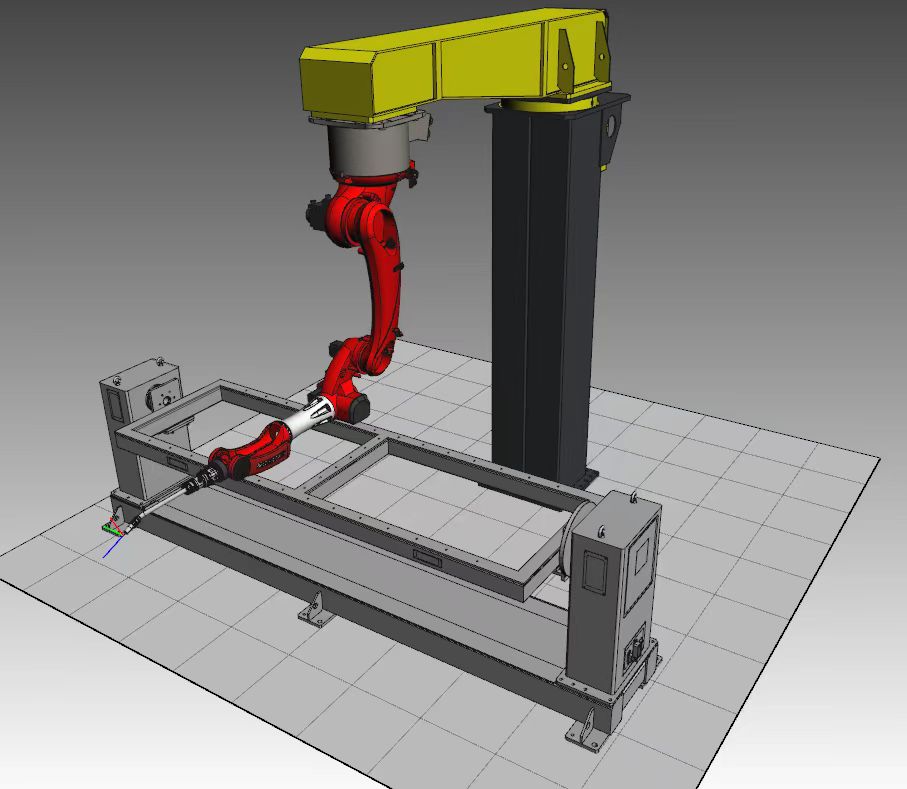
Only once these three are confirmed can you meaningfully discuss models and configurations.
2. Dimensions to Provide
The following details are most often missing from inquiries, yet they are key to an accurate recommendation:
- Maximum workpiece diameter and length;
- Mounting face dimensions and mounting method (flange, T-slots, fixtures, etc.);
- Clearance and interference in the rotation envelope: whether the rotating workpiece could collide with the floor, fences, the welder, or other equipment;
- Center-of-gravity position, if known.
Providing this information up front significantly shortens the back-and-forth of technical confirmation.
3. Load and Rotation: Keep a Margin, Match the Cycle Time
Rated load should include a safety margin above the total workpiece weight (including fixtures). At the same time, verify the overturning moment caused by center-of-gravity offset, so the motor and gearbox stay within their safe operating range at the working positions.
Rotation speed and accuracy must match the cycle time of your welding or handling process: welding applications typically require slow, smooth rotation with high repeatability to ensure weld quality, while handling applications prioritize indexing speed and throughput. Selecting the right speed range and gear ratio for your process is key to long-term, stable operation.
4. Integration with a 7th-Axis Track
Combining a positioner with a 7th-axis track greatly extends robot reach: the robot travels along the track while the positioner rotates the workpiece, covering extra-long workpieces and enabling multi-station work to raise equipment utilization.

Confirm in advance:
- Track travel length and effective coverage;
- Signal synchronization and coordination between the positioner, track, and robot;
- Interference and safety clearances across the full layout.
5. Inquiry Checklist
When sending us an inquiry, please prepare:
- Workpiece size (max diameter, length, mounting face);
- Workpiece weight (including fixtures) and center-of-gravity position;
- Process type (welding / handling / other);
- Existing robot brand and model (if already decided);
- Desired lead time.
Get in Touch
Send us your workpiece dimensions and process, and we’ll recommend a suitable positioner and 7th-axis setup.