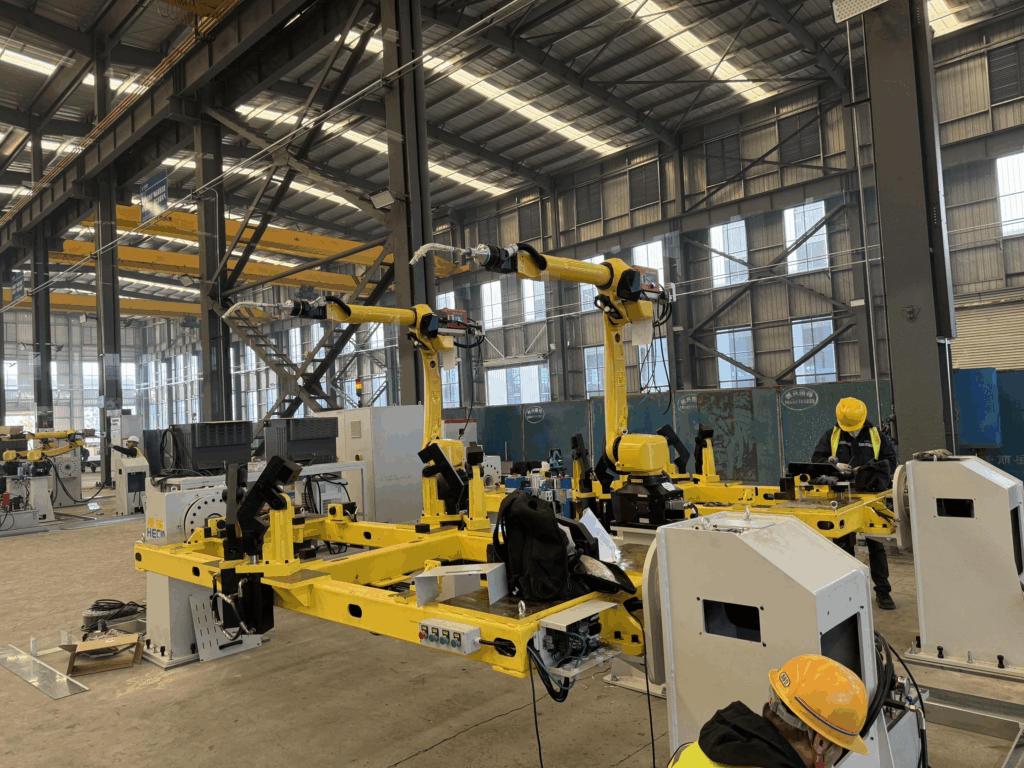
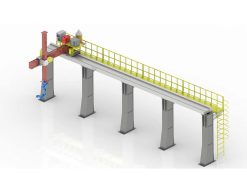
 Robot Linear track
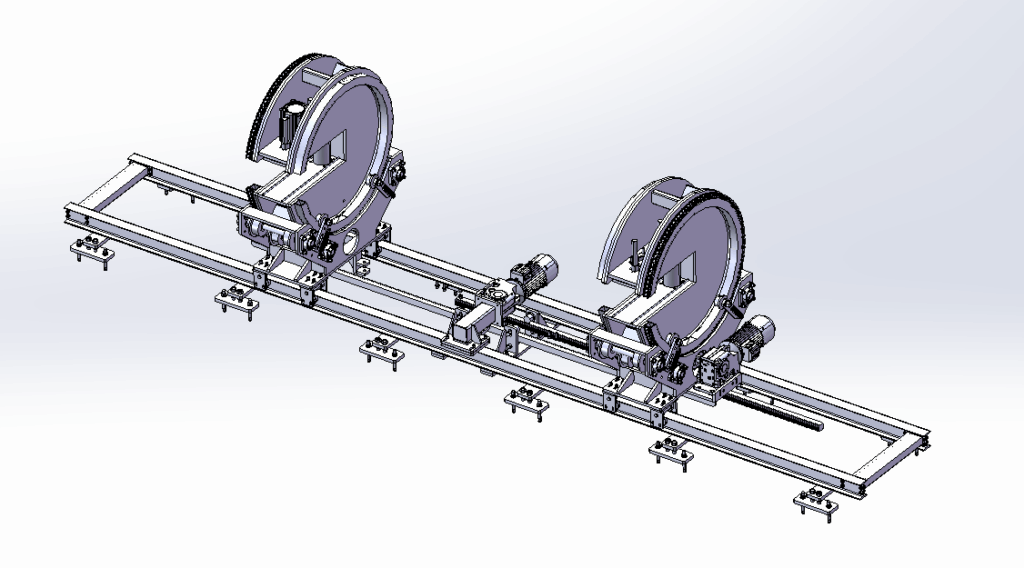
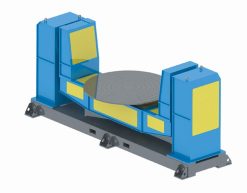 Robot welding Positioner
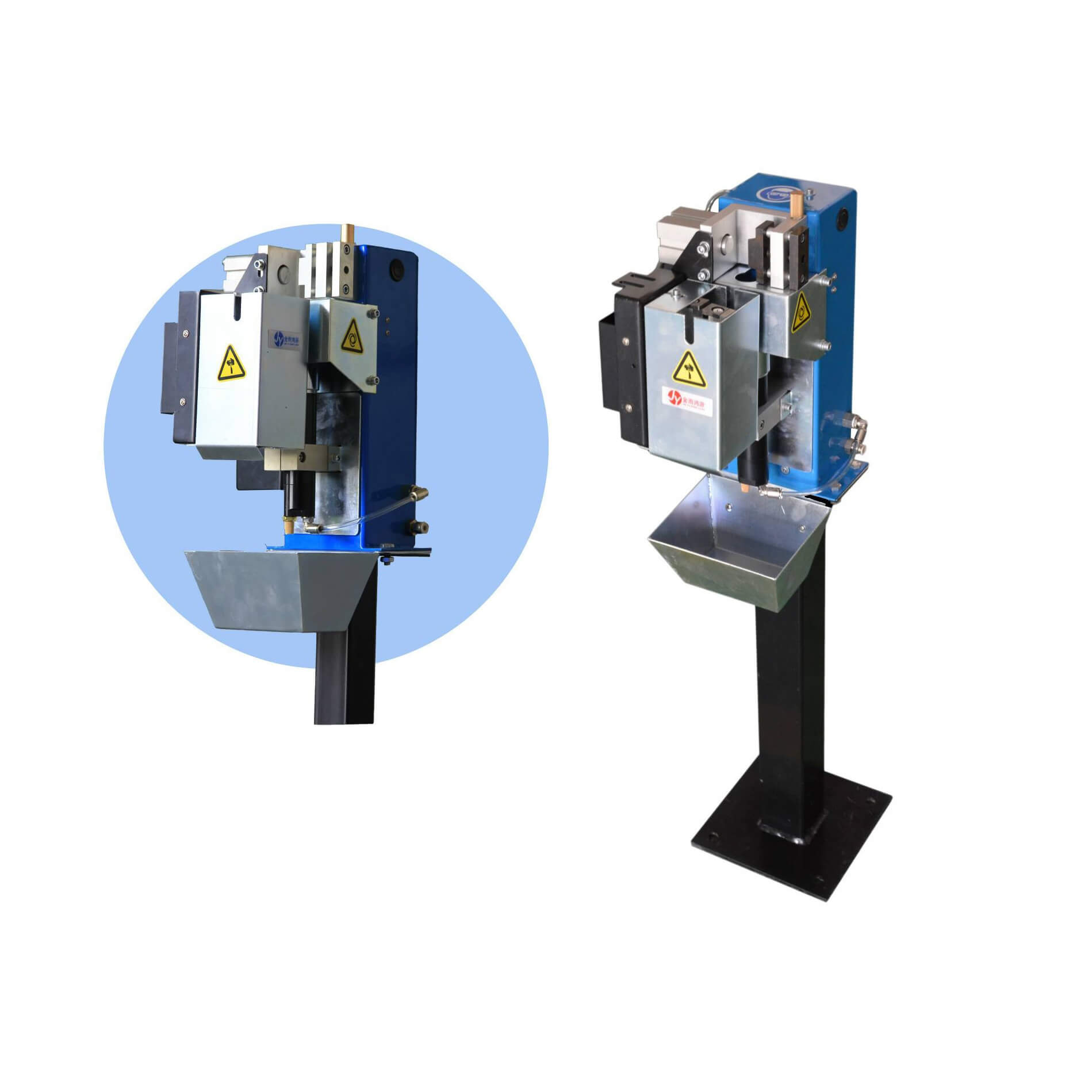 Robot Torch cleaning station
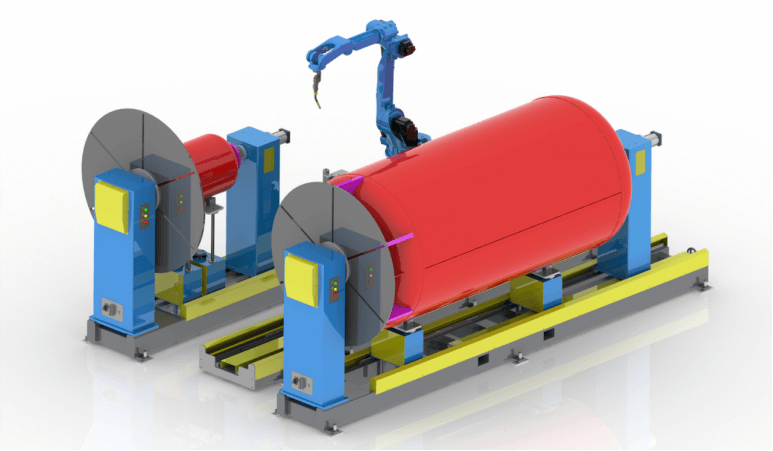 Welding Robot Workstations & Automation Solutions
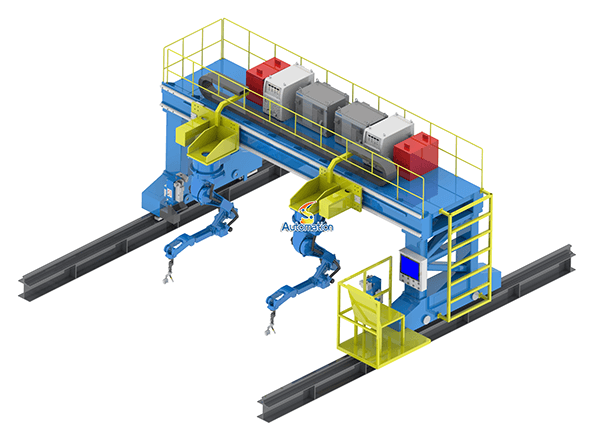 Robot Gantry System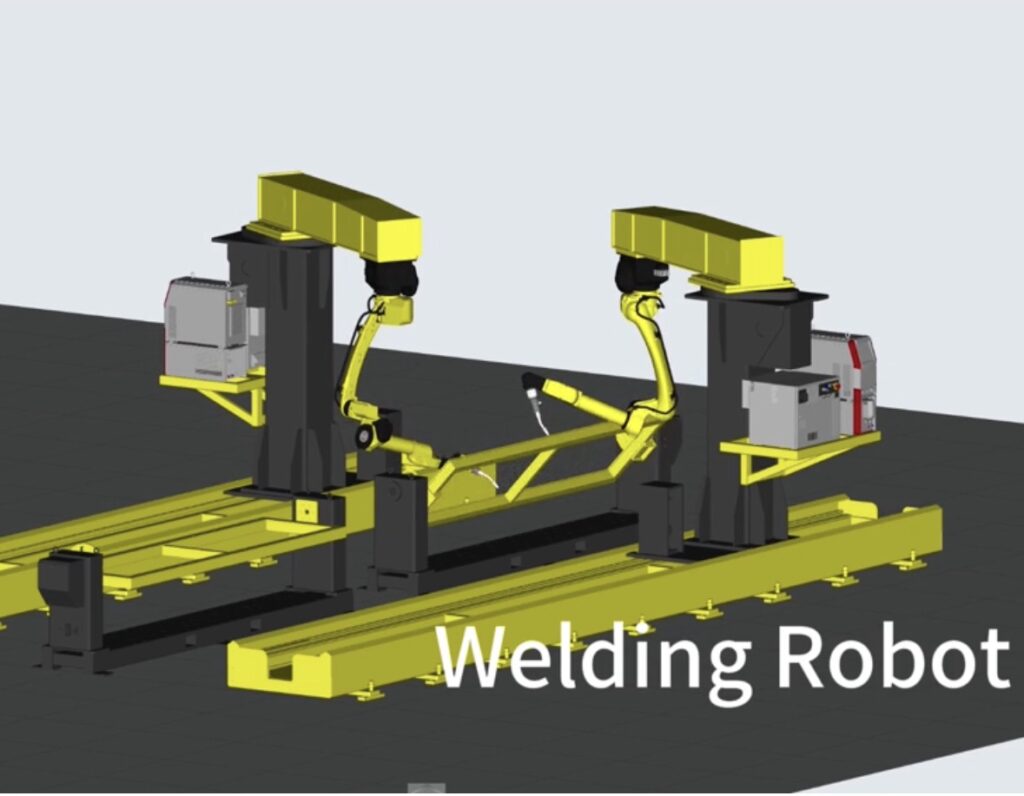
Every manufacturer knows labor isn’t cheap. But the real price tag of manual production runs deeper than hourly wages—and most companies don’t see it until it’s too late.
I spent fifteen years on factory floors before moving into automation consulting. What struck me wasn’t how expensive robots were. It was how expensive people were when you actually counted everything.
Here’s what your spreadsheet probably isn’t showing you.
1. The Quality Defect Tax Nobody Talks About
Manual assembly carries a defect rate between 1-3% in most industries. Sounds small? Do the math on a $50,000 product run. Then add rework costs, scrap material, and the customers who quietly switch suppliers after receiving a bad batch.
How robotics changes this: Modern robotic systems operate at 0.1% defect rates or better. More importantly, they don’t have bad Mondays, don’t rush before lunch breaks, and don’t misread instructions when they’re tired.
For manufacturers using robot 7th axis systems—those linear tracks that extend a robot’s reach across entire production lines—consistency spans 20, 30, or 40 feet of workspace without variation. One properly programmed 7th axis setup handles what used to require three separate stations with three different operators, each introducing their own error patterns.
2. The Turnover Trap
The average manufacturing turnover rate hit 39% in 2023. Recruitment fees, training time, lost productivity during onboarding—it adds up to roughly 50-200% of an employee’s annual salary per departure.
I’ve watched plants lose their best technicians to competitors over $2/hour differences, taking years of tribal knowledge with them.
The robotics advantage: Your automation systems don’t update their LinkedIn profiles. They don’t call in sick during flu season or demand raises because the plant across town pays more. A well-maintained industrial robot runs 60,000+ hours before major overhauls.
When you integrate robotics automation with proper preventive maintenance, you’re buying operational continuity that human labor simply cannot match at any price point.
3. The Speed Ceiling You Can’t See
Human hands move at human speeds. There’s no upgrade path, no firmware update. When demand spikes, you hire more people (see turnover costs above) or run overtime (1.5x-2x labor rates).
What changes with automation: A standard six-axis robot cycles in 0.8-1.2 seconds for pick-and-place operations. Add a 7th axis linear track, and that same robot covers 50 feet of work envelope without stopping. The throughput math becomes almost embarrassing compared to manual stations.
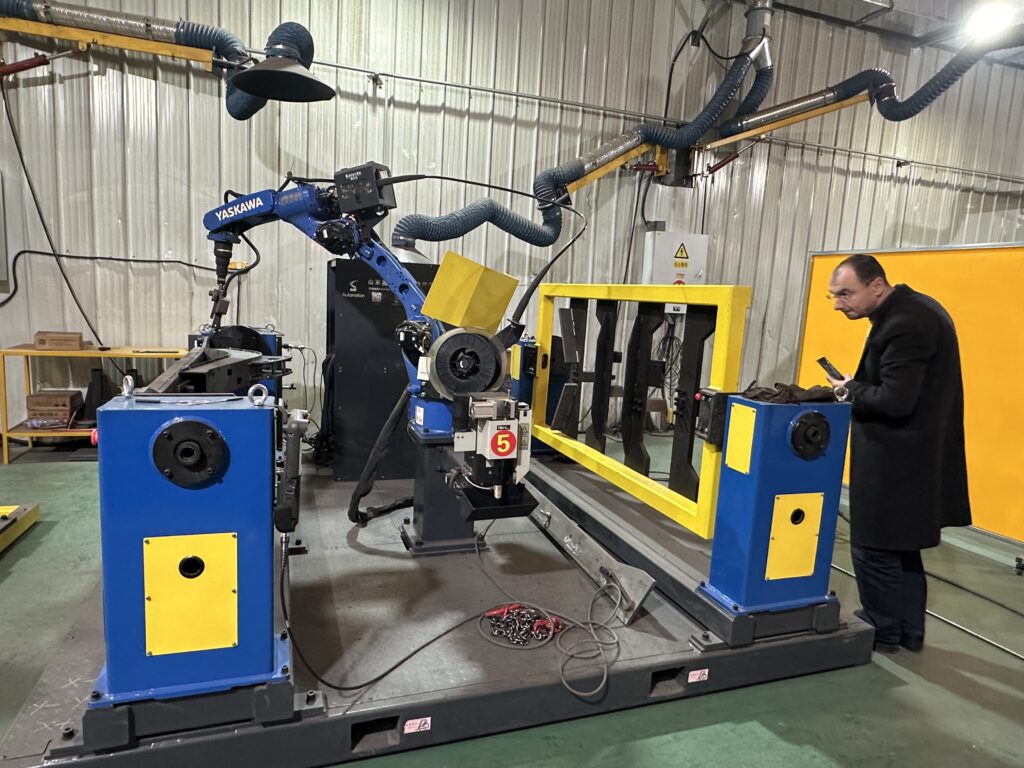
I recently consulted for an automotive supplier who replaced four manual welding stations with two robots on 7th axis tracks. Cycle time dropped from 4.2 minutes to 1.8 minutes. They didn’t just save labor costs—they unlocked capacity they didn’t know they had.
4. The Safety Liability You Hope Never Comes Due
OSHA statistics show manufacturing still accounts for 15% of all workplace injuries. One serious incident triggers workers’ comp increases, legal exposure, regulatory scrutiny, and the human cost that doesn’t appear on any ledger.
Robotics eliminates the exposure: Dangerous tasks—welding fumes, heavy lifting, repetitive strain operations—move to automated cells. Modern robotics automation includes force-limiting technology and collaborative features that make human-robot interaction safer than human-heavy-machinery scenarios.
The robot 7th axis specifically reduces risk by eliminating the need for workers to enter cells to reposition parts. The robot comes to the work, not vice versa.
5. The Opportunity Cost of Inflexibility
Manual lines resist change. Retraining workers for new products takes weeks. Physical layout changes require moving people, not just equipment.
In markets where product lifecycles shrink yearly, this rigidity costs contracts.
How automation solves it: Programmable robotics reconfigure through software. A 7th axis track system that handled SUV door panels on Monday runs sedan components on Tuesday after a morning’s programming. The same floor space serves multiple product families without the chaos of moving people between stations.
The 7th Axis Multiplier Effect
I want to specifically address why robot 7th axis integration deserves attention in any automation discussion.
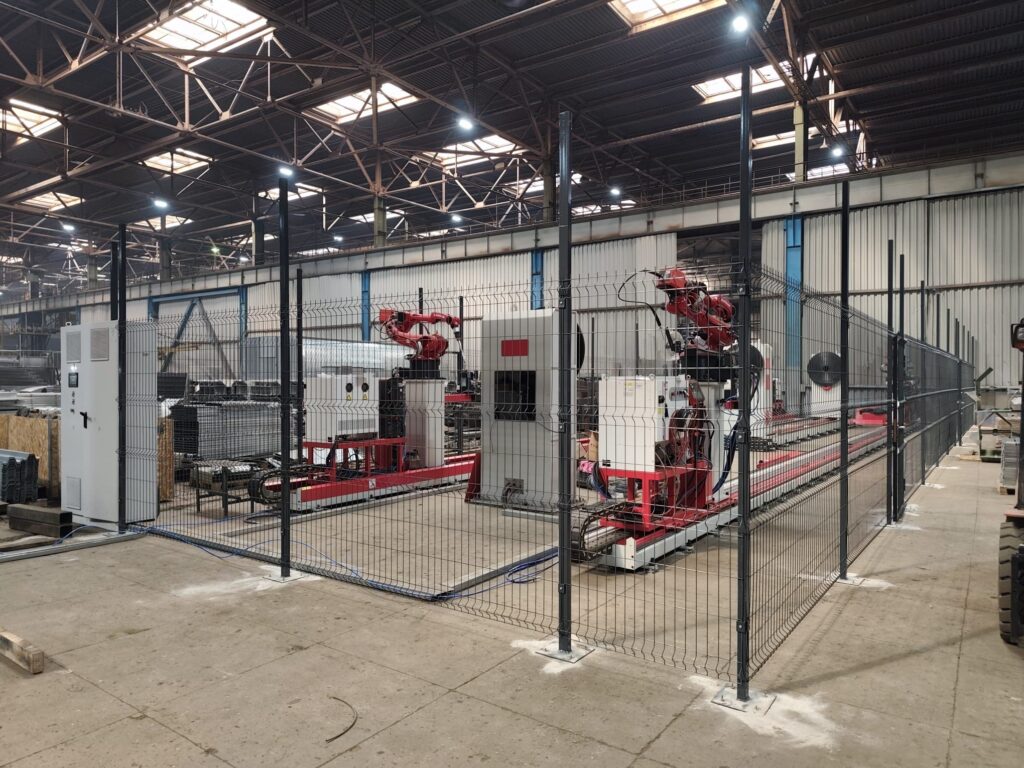
Traditional six-axis robots work within a fixed sphere of influence—typically 1-2 meters in any direction. Add a linear 7th axis, and that sphere becomes a cylinder stretching 10, 20, or 30 feet. One robot does the work of three or four fixed units.
The economics shift dramatically:
- Capital efficiency: One robot + track costs less than multiple fixed robots
- Floor space: Linear footprints use aisle space better than clustered cells
- Flexibility: The same hardware adapts to future line reconfigurations
- Maintenance: One system to service instead of multiple
For manufacturers evaluating robotics automation, the 7th axis often represents the difference between “nice to have” automation and “business case closed” automation.
Making the Transition
Eliminating manual production’s hidden costs doesn’t happen overnight. Start with processes that check these boxes:
- High injury risk
- Repetitive motion (welding, painting, machine tending)
- Quality-critical dimensions
- Labor shortage pain points
The plants seeing fastest ROI aren’t necessarily the biggest—they’re the ones that mapped their true manual costs before shopping for robotics solutions.
Manual production carries costs that don’t appear in wage line items. Robotics automation—particularly flexible systems using robot 7th axis technology—exposes and eliminates those costs while building operational capacity for whatever demand comes next.
The question isn’t whether you can afford to automate. It’s whether you can afford not to count what manual production actually costs you.
Questions about calculating your specific automation ROI? Drop a comment below or reach out directly.