
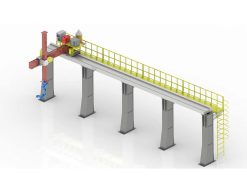
 Robot Linear track
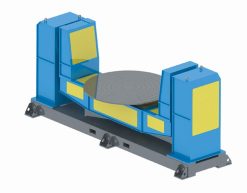 Robot welding Positioner
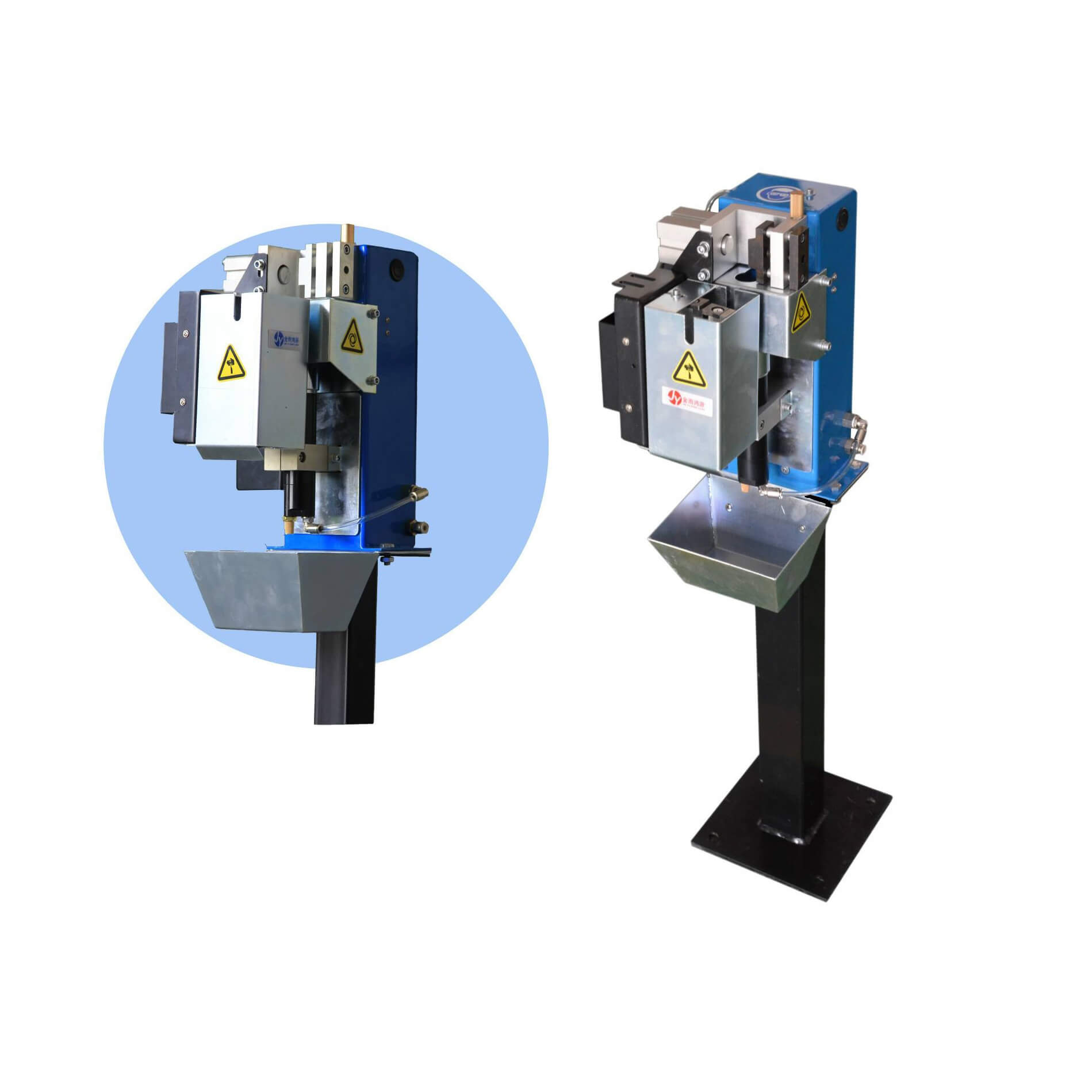 Robot Torch cleaning station
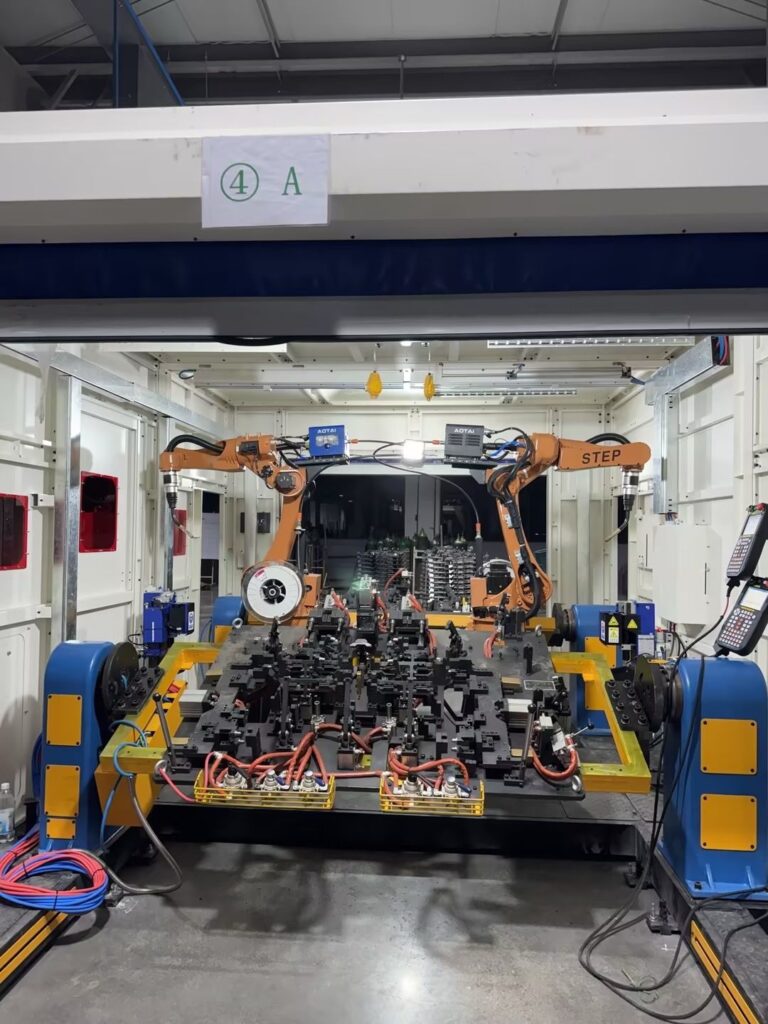
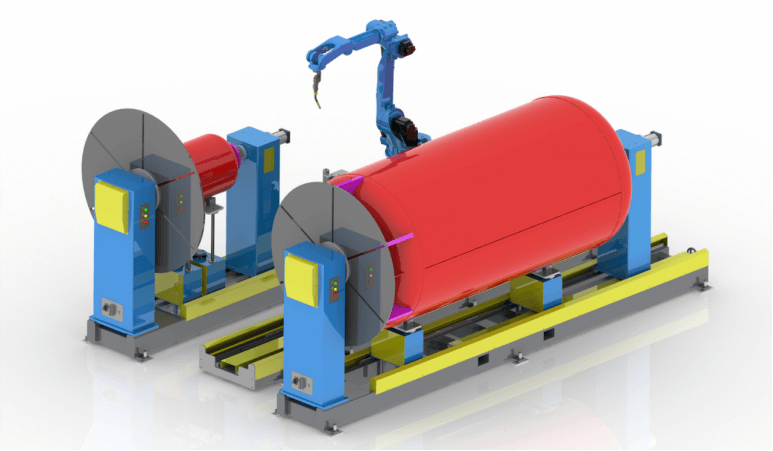 Welding Robot Workstations & Automation Solutions
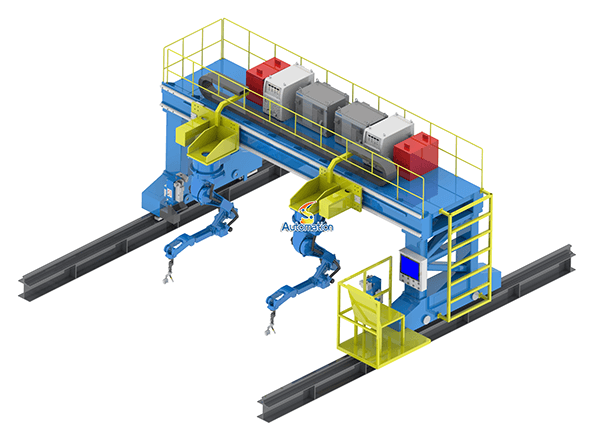 Robot Gantry System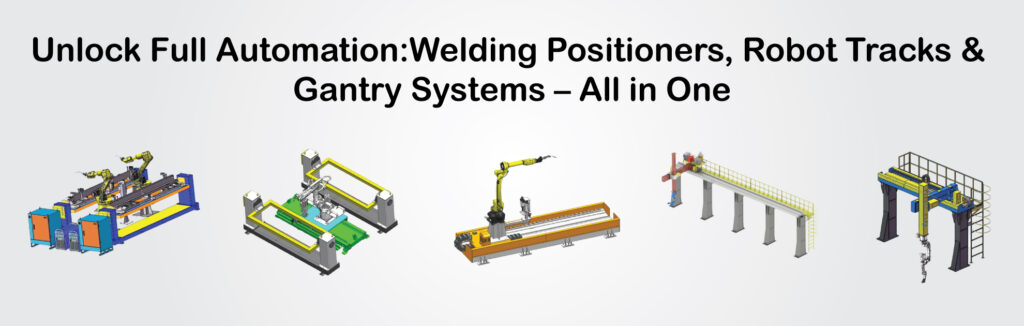
In a robotic welding station, speed and precision tend to get most of the attention. But anyone who has worked on a production floor knows this: without proper safety design, efficiency doesn’t mean much. Sparks fly, robots move fast, and even a small oversight can turn into downtime—or worse, a serious accident.
Over the years, many manufacturers have learned the hard way that safety isn’t something you “add later.” It has to be built into the station from the start. Based on real project experience, here are five safety features no robot welding station should ever run without.
1. Safety Fencing That Matches the Process — Not Just the Layout
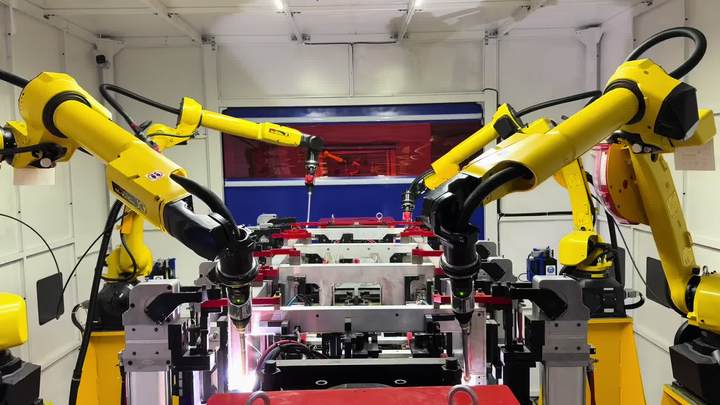
Safety fencing often looks simple on paper, but in practice, it’s more than just putting metal panels around a robot.
In welding cells, fencing needs to do three things at once:
Physically isolate the robot’s working envelope
Contain welding spatter and arc light
Allow operators to access the station safely for maintenance
For example, a compact welding cell for small brackets doesn’t need the same fence height or layout as a large chassis welding line with robot tracks. Poorly designed fencing creates blind spots, awkward access points, or unsafe shortcuts operators eventually take.
Good fencing follows how the robot actually moves, not just where it’s mounted.
2. Safety Light Curtains for Frequent Operator Interaction
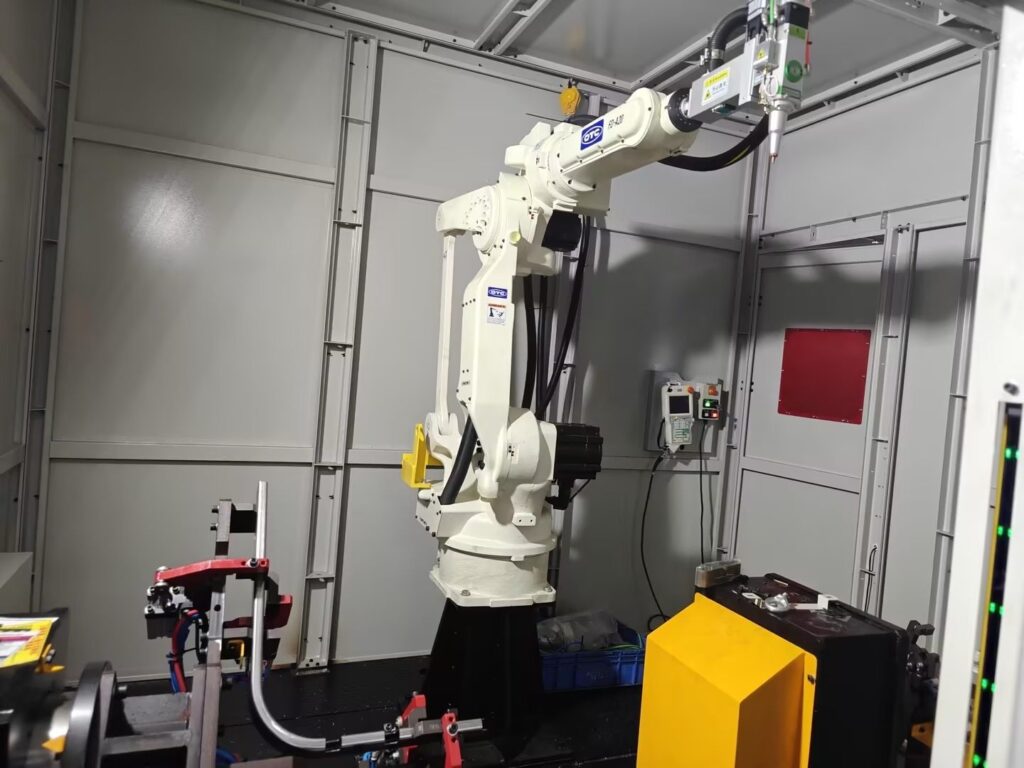
In many welding stations—especially those handling medium or small batch production—operators still interact with the cell regularly. This is where safety light curtains become essential.
Instead of fully stopping production with manual doors every time, light curtains:
Instantly stop robot motion when someone enters a hazardous area
Reduce unnecessary downtime during loading or inspection
Improve workflow without compromising safety
Think of them as an invisible safety wall. When properly configured, they protect people without slowing the line to a crawl, which is exactly what production managers want.
3. Safety Interlocks on Doors and Access Points
Every welding station has doors. What matters is what happens when someone opens one.
Safety interlocks ensure that:
The robot stops immediately when a door is opened
Restarting the system requires deliberate action, not accident
Operators are protected during tool changes or wire replacement
In real-world production environments, interlocks prevent “just a quick check” from becoming a dangerous habit. They add a layer of discipline to daily operations—and that discipline saves both people and equipment.
4. Emergency Stop Buttons in Practical, Visible Locations
Emergency stops are mandatory, but placement is where many stations fall short.
An emergency button that’s technically installed but hard to reach during an incident doesn’t help much. In well-designed welding cells:
E-stops are placed near operator positions
Buttons are clearly marked and unobstructed
Multiple stops are added for large or multi-robot systems
When something goes wrong, reaction time matters. Operators shouldn’t have to think about where the emergency stop is—it should be right where they expect it.
5. Integrated Safety PLC and System Logic
As welding stations become more automated—linear tracks, positioners, multiple robots—the safety system must keep up.
A dedicated safety PLC or integrated safety controller allows:
Coordinated shutdown across robots, tracks, and positioners
Clear fault diagnosis instead of vague alarms
Compliance with international safety standards
In complex welding lines, safety logic ties everything together. Without it, individual safety devices work in isolation, which can create unexpected risks during abnormal conditions.
Safety Is Not an Add-On — It’s Part of Productivity
One common misconception is that safety systems slow production. In reality, the opposite is often true.
A properly protected welding station:
Runs more consistently
Experiences fewer unexpected stoppages
Builds operator confidence
Reduces long-term operational risk
In short, safe systems tend to be better-designed systems.
Final Thoughts
Every robot welding station is different, but these five safety features form a solid foundation for almost any application—from small automated cells to large, multi-robot welding lines.
If you’re planning a new project or upgrading an existing station, safety should be part of the early design discussion, not the final checklist item. It’s an investment that pays off every single shift.
If you’d like to discuss safety design options for your robotic welding project, feel free to contact us. We’re always happy to share practical experience and help you build a safer, more reliable automation solution.